Sunday, April 29, 2012

Muslim Wife

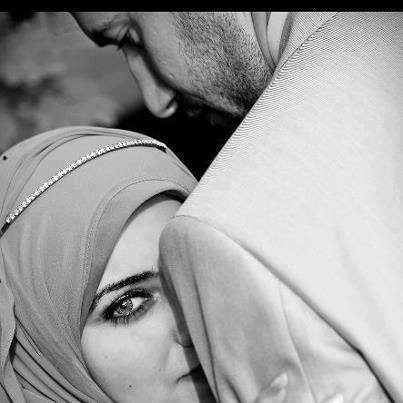
166023_528408557212192_64014931_n


The following article should be read with the other one addressed to “Muslim Husband” as well as all other posts about Marriage.. This is to avoid exaggerating the role of one spouse over the other, nor to down grade the contribution of a spouse for the other.. Marriage is a sacred social formation; not only in Islam but in all religions and faiths.. Without the correct attention and participation, such a bond will not last, or will require a heavy price from both parties; and their kids as well.. In the failed marriage, all parties lose..

I had noticed the unjust attitudes of most husbands, which are simply deviation from the cores of Islam, and the righteous guidance of his Prophet PBUH.. We need to admit that we lack lots of the true essences and knowledge of Islam, due to translation, illiteracy and media confusion.. Then we shall collectively strive to understand more and carefully implement the correct behavior and habits..

Our unqualified Imams had already ruined many generations, and indirectly seeded extremism and domestic abuse, by ill-interpreted Quran verses and Hadith.. The famous quest of 4/34 on beating women is just scandalous example of moral fragmentation and disassembly.. The speed of social changes beats the capability of most preachers to accommodate reasonable and acceptable elaborations and understanding..

Marriage, in any religion; is practically build on love.. and the moral bravery to express love..

————————————————


By: kashmirigirl
Sep 29, 1998

http://www.paklinks.com/gs/religion-and-scripture/38648-the-characteristics-of-a-good-wife.html

The Prophet PBUH said, what translated means “This life is a joy and its best joy is a good wife” [Muslim], also, “A women is married for four reasons: for her wealth, for her fame, for her beauty and for her (adherence to) religion. So marry one for her religion and you will win” [Bukbari & Muslim] and, “Four are causes of happiness,: A good wife, a big house, a good neighbor and a good way of transportation” [Al-Hakim].

The above Hadiths emphasize the importance of marrying a good Muslim woman. This is why Muslim men should always seek such women to be happy in this life. Following are some of the characteristics of a good wife:

1. Therefore the righteous women are devoutly obedient (to Allah and to their husbands) and guard in the husband’s absence what Allah orders them to guard (e.g. their honor, husband’s property, etc). [4:34]. Ibn Katheer said, “Ibn Abbas said, ‘The righteous women are obedient to their husbands (Qanitaat). Also ibn Katheer said, “Imam Suddi said, ‘They (good wives) protect their husbands’ honor and money in their absence.”‘

2. Ibn Hibban narrated that the Prophet PBUH said, what translated means, “If a woman prayed the five prayers, fasted in Ramadhan, protected her honor and obeyed her husband; then she will be told (on the Day of Judgment): enter Paradise from any of its (eight) doors.

3. The Prophet PBUH said, what translated means, “Your women who will enter Paradise are those nice to their husbands, who bear children, and those who keep checking the needs of their husbands. If her husband gets angry with her, she would hold his hand and say : “By Allah, I will not sleep until you forgive me” [as-Silsilah as-Sahiha]

4. -an-Nasa’i narrated that the Prophet PBUH was asked, “Who are the best of women?” HE said, “The one who pleases him (her husband) if he looks at her, obeys him if he orders (her) and does not subject her honor or money to what he dislikes.”

From the above Hadiths, we can sum up the characteristics of a good wife:

1–She is a good Muslim, obedient to Allah and His Messenger PBUH .
2–She performs the five regular prayers and fasts Ramadhan.
3–She is obedient to her husband, unless he orders her to do evil.
4–She protects her husband’s money and honor in his absence.
5–She is always nice to her husband, checking on his needs.
6–She always tries to please and calm him if he is angry or upset.
7–She bears his children and does not ask him for divorce for no reason.
8–She tries to always look and smell nice for her spouse.


Advice for Women

Following is an advice to every Muslim woman that contains matters to avoid in order to have a good marriage.

1 — Avoid angering your husband. The Prophet PBUH mentioned that among the three that Allah does not accept their prayer are, “A wife who goes to sleep while her husband is angry with her.” [At-Tirmithi].

2 — Avoid harming your husband in any way, “If a woman harms (in any way) her husband, then his wife in Paradise tells her: ‘Do not harm him, may Allah fight you, he is only staying temporarily with you. Soon he will come to us. [Ahmad & At-Tirmithi].

3 — Avoid being unappreciative or unthankful to your husband, “Allah does not look to the woman who does not appreciate her husband while she cannot stand his departing her.” [An-Nasaii].

4 – Do not ask your husband for divorce for no reason. The Prophet PBUH warned women who ask for divorce for no sound reason in his Hadith, “Any woman who asks her husband for divorce for no reason will not smell the fragrance of Paradise. [Sahih Al-Jamii].

5 — Do not obey your husband if he asks you to do prohibited matters, “Do not disobey the Creator to obey any human.” [Ahmad & Al-Hakim].

6 — Avoid voluntary fasting without your husband’s permission, unless he is absent, “A woman does (must) not fast while her husband is present without his permission, except in Ramadhan.” [Al-Bukhari & Muslim]. This Hadith emphasizes the importance of the wife satisfying her husbands sexual needs. If the husband agrees, then the wife can do volunteer fasting, satisfied that she fulfilled her obligation towards ber husband.

7 — It is a major sin to deny your husband sexual pleasure. The Prophet PBUH said, what translated means, “If a man calls his wife to bed and she refuses till he slept while angry, then the Angles will curse her till the morning.” [Muslim]. Muslim men have no other means to satisfy them but through Their wives. Therefore, the very essence of marriage will be destroyed if men are denied this right by their wives.

8 – It is a major sin for husbands and wives to tell others what they do in bed. The Prophet described the ones who do that as, “A devil who meets a fe ale devil and has intercourse with her in public” [Ahmad].

9 — The Prophet PBUH ordered every Muslim woman not to let anyone into their houses, “Unless he (her husband) gives her permission.” [Al-Bukhari].

10 — Muslim women do not have the habit of going in and out of their houses without necessity. Allah SWT said, what translated means, “And stay in your houses” [33:33].


A Final Word

The Prophet PBUH said, what translated means “All of my nation (Ummah) will enter Paradise except those who refuse.” When he was asked to identify those who refuse, He PBUH said, “Whoever obeys me will enter Paradise, and whoever disobeys me will (be the one who) refuse.” [Al-Bukhari]. A good, righteous Muslim woman seeks the pleasure of Allah more than anything else. She tries her best to acquire the qualities of a good wife, found in the Book of Allah and the Sunnah of His Messenger PBUH. Total obedience to Allah and adherence to the Sunnah of His MessengerPBUH, is the most important of those qualities.

Allah hswt as decreed that the husband is the head of the Muslim family, “Men are the protectors and maintainers of women, because Allah has made the one of them to excel the other, and because they spend (to support them) from their means.” [4:34].

Ibn Katheer said, “The man is the woman’s protector, supervisor and head of the family”. To emphasize this even more, the Prophet PBUH said, what translated means, “If I were to order anyone to bow down (make Sujood) to other than Allah, I would order the wife to do so for her husband. By the One Who owns the soul of Mohammad, if a wife does not fulfill her obligations towards her husband, then she will not have fulfilled her obligations towards Allah.” [Ahmad].

Ibn Taimiyah said in AI-Fatawa, “The righteous woman is the one who consistently obeys her husband. Her obligation to her husband come second only after her obligation to Allah swt .”

Therefore, every Muslim woman should seek to attain, in herself, the qualities of a good wife, by obeying Allah SWT and His Prophet PBUH, a path that will lead to entering paradise. Also, if Muslim wives implement these qualities, then their marriage will be full of happiness. The best of advice to every Muslim woman is to avoid the ways of the Kuffar. The Kuffar do not build their families on religion, but on their desires. They ignore the basic differences between men and women and treat them as equals in every regard. In Islam, men and women have different roles. More duties are assigned to men, while woman have more influence in the way their children are raised. A Muslim woman spends much more time with the children than her husband does. If families are not built on the way that Allah SWT ordained, then misery, and later, divorce, will be the result.

Allah swt will bless such a marriage where both the husband and the wife obey Him swt; and fulfill their obligations towards each other. He swt said, what translated means, “It is not for a believer man or woman, when Allah and His Messenger PBUH have decreed a matter that they should have any option in their decision. And whoever disobeys Allah and His MessengerPBUH, he has indeed strayed in a lain error!” [33:36].

Sayyedah Khadeejah PBUH, the wife of the Prophet PBUH, ranked high among the Muslim women of all time, This was a result of her unwavering support of her best of husbands. She PBUH believed in Him PBUH, offered Him PBUH emotional and financial support, and reassured Him PBUH in times of worry. Allah SWT has granted Her PBUH Paradise for this crucial role she played in the life of the Prophet PBUH, and hence, in the life of every Muslim.
The Prophet PBUH treasured Her PBUH memory and kept relations with Her friends long after Her death. Allah swt has granted her the position of being the mother of all the decedents of the Prophet of Allah swt. All Muslim women should benefit from the example of Sayyedah Khadeejah PBUH, that they may reach Her status among the righteous women in Paradise.

Adil Abdalla: Evilly driven women are destined for the Evilly driven men; as well as Evilly driven men are destined for the Evilly driven women – Divinely guided women are destined for the Divinely guided men, as well as Divinely guided men are destined for the Divinely guided women – These are forgiven for whatsoever they unintentionally and mistakenly said – They are rewarded by forgiveness and dignified earning (Rizq)..

P.S.; As per the Islamic authorities, there are two concepts to understand this verse.. 1st, addresses spouseship.. the 2nd addresses Quotes/Deeds associated with people.. Replace the subject words women or men by quotes or deeds, and read it again..


Other Various Interpretations:

Sahih International: Evil words are for evil men, and evil men are [subjected] to evil words. And good words are for good men, and good men are [an object] of good words. Those [good people] are declared innocent of what the slanderers say. For them is forgiveness and noble provision.

Pickthall: Vile women are for vile men, and vile men for vile women. Good women are for good men, and good men for good women; such are innocent of that which people say: For them is pardon and a bountiful provision.

Yusuf Ali: Women impure are for men impure, and men impure for women impure and women of purity are for men of purity, and men of purity are for women of purity: these are not affected by what people say: for them there is forgiveness, and a provision honourable.

Shakir: Bad women are for bad men and bad men are for bad women. Good women are for good men and good men are for good women

Muhammad Sarwar: Indecent woman are for indecent men and indecent men are for indecent woman. Decent women are for decent men and decent men are for decent women. The decent people are innocent of what people allege. They will receive mercy and honorable sustenance.

Mohsin Khan: Bad statements are for bad people (or bad women for bad men) and bad people for bad statements (or bad men for bad women). Good statements are for good people (or good women for good men) and good people for good statements (or good men for good women), such (good people) are innocent of (each and every) bad statement which they say, for them is Forgiveness, and Rizqun Karim (generous provision i.e. Paradise).

Arberry: Corrupt women for corrupt men, and corrupt men for corrupt women; good women for good men, and good men for good women — these are declared quit of what they say; theirs shall be forgiveness and generous provision.

Muslim Husband


Regretfully, most my fellow-men are causing great harm to themselves, spouses and children as well.. Their harsh and abusive attitude and wrongly guided habits are damaging the Muslim societies and nation as well.. Husbands by default are the leaders and guardians of their families.. They are accountable for the success or failure of their families.. They cause both sorrow and happiness of their wives and children.. They are the ones to stand on the Day of Judgment to defend their actions and extended implications..

Are You Ready..?

Let me cut it short..
A Husband should be: Bread-earner, Mature, Well-behaved and Have fair true knowledge of Islam

A Husband should NOT be: Irreligious, Abusive (physically or verbally), Immature and Sourceless

——————————————–


5 Secrets Of A Successful Muslim Husband

http://theauthenticbase.wordpress.com/2010/02/19/5-secrets-of-a-successful-muslim-husband/


A successful Muslim husband isn’t:

1. A Muslim husband is not stingy when it comes to money and he spends freely on his wife and children. “The best charity is that which comes from one when he is wealthy and begins with those whom you are responsible to support.” (Bukhari).

A Successful Muslim Husband is:

2. A good Muslim husband helps his wife out around the house with the household chores.

Many husbands believe that housework is only for women and think that it’s beneath them to help their wives with the household chores. However, this couldn’t be further from the truth. In fact, when a wife sees that her husband takes the responsibility to help her with the housework, she grows in admiration and respect for him and can’t help but want to do as much as she can to please him. This doesn’t mean that a husband should be expected to work all day long and then come home and cook and clean and do the laundry while his wife has been home all day doing nothing. However, there is nothing wrong with him giving a helping hand to his wife whenever it is needed or in him taking care of his own needs –such as mending his own clothes, especially and particularly, if his wife is busy with the children or with other tasks, or is sick, pregnant or just needs a break from the work in the house. “He (Muhammad) used to tend to the work of his family.” (Bukhari).

3. A Muslim husband accepts his wife’s inconsistencies and her faults and he doesn’t try to make her personality like his, because to do so would break her spirit.

Too often, men try to mold women’s personalities into their own image. This is a mistake that often leads to resentment and anger on the woman’s part. It is also dangerous because it erodes her self- esteem and destroys her individuality. Instead, he should be tolerant and respect her unique feminine nature. If there is an element of her personality that he dislikes, it is on him to change himself or his outlook but he should not try to change her personality. This, however, does not apply to religious issues such as hijab, salat, obedience to the husband or other issues that have been made incumbent on her by the Shariah.

“No male believer is to hate a female believer. If he hates a trait in her then let him be pleased with another trait.” (Muslim).

“Woman is like a rib: If you try to straighten it out you will break it.” (Al-Bukhari/Muslim).

“Treat women kindly, for woman was created from a rib. The part of it that is most bent is the top. If you try to straighten it you will break it, and if you leave it alone it will remain bent. So treat women kindly.” (Bukhari/Muslim).

4. A good Muslim husband doesn’t tell his bedroom secrets. “The most evil of people in the sight of Allah on the Day of Judgment will be a man who was intimate with his wife and then went and told others about her secrets.” (Muslim).

5. A good Muslim husband doesn’t neglect his appearance and he keeps himself physically fit.

It is not only an obligation on the Muslim woman to keep herself looking and smelling good for her husband, but it is also an obligation on the husband as well to set the example and keep himself looking good for his wife. In fact, I believe that in most cases it is the husband who sets the tone in the house in this area because if his wife sees that her husband is going to a lot of extra trouble to keep himself looking good, then more than likely she will also try to keep herself looking good for him. In this way both of them are complementing each other and this helps to keep their marriage fresh and alive. He should also exercise regularly and not allow himself to become over-weight and out of shape. At home, he should dress neatly, make sure that his hair is combed and that his general appearance is clean.

“Whoever has hair let him look after it properly.” (Abu Dawud – Allaahu ‘alam of the authenticity of this hadith)

“If it were not for the fact that I did not want to overburden my Ummah, I would have ordered them to use the siwak before every prayer.” (Bukhari/Muslim).

“O children of Adam! Wear your beautiful apparel at every time and place….” (Quran 7: 31-32).

Saturday, April 14, 2012

Quran Search

Surat Yasin (36)

Muslim School of Thought..!

Most Muslim researchers and scholars are reactive to scientific researches and publications.. They had invested lots of time memorizing Quran and Hadith, reading referrals and text books, and  look in the details of sectarian disagreements and alignments.. The “Dark Ages” which Muslim nations had went through; had created a great gap of Epistemia and Technology that are uneasy to bridge.. This had created a sprawling trends of carelessness, chaos and greed..

The Muslim nations were typically Arabic Speakers and non-Arabic speakers..

The Arabic speakers are the producers of Linguistics, Memorizers and Doctrinaires; who preserve both core and outlines of the faith.. Such old school faces lots of challenges which jeopardizes the sustainability of intellectual Islam; due to its disconnection to contemporary logic and scientific findings.. Old schools in Arabia, Egypt, North Africa, Iran, India and Turkey are struggling to produce new models of Islam, which would fit with today’s world..

Non-Arabic speakers had already sailed away from the traditional mindset, not only endorsing the typical intellectual divide between East and West, but also been in a vivid communities with continuous evolution and progress.. However the freedom trends had introduce their practices to controversial issues that widely provokes the faith.. New Muslim centers in California, Manchester, Paris, Berlin and Genève are very active in all scientific forums, with steady placement and magnet for mythical innovation..

Hard lesson

Typical harsh punishment in Pakistani Madrassah (Islamic School)


Typically, Muslim scholars are reactive to the various issues, where they are motivated by a comment or a finding to relate it to Quran verses, Hadith statement or ancient referral.. Despite the academic doctrine in most Muslim Schools, the tendency stills attached to Quran, Hadith and Referral memorization and standard elaborations.. Therefore, critics to their findings will systematically replied with fierce responses putting the verdict on the edge of infidel

قال تعالى : وَمِنَ النَّاسِ مَنْ يُعْجِبُكَ قَوْلُهُ فِي الْحَيَاةِ الدُّنْيَا وَيُشْهِدُ اللَّهَ عَلَى مَا فِي قَلْبِهِ وَهُوَ أَلَدُّ الْخِصَامِ (204) وَإِذَا تَوَلَّى سَعَى فِي الْأَرْضِ لِيُفْسِدَ فِيهَا وَيُهْلِكَ الْحَرْثَ وَالنَّسْلَ وَاللَّهُ لَا يُحِبُّ الْفَسَادَ (205) وَإِذَا قِيلَ لَهُ اتَّقِ اللَّهَ أَخَذَتْهُ الْعِزَّةُ بِالْإِثْمِ فَحَسْبُهُ جَهَنَّمُ وَلَبِئْسَ الْمِهَادُ
– البقرة : 204 – 
206

There is the type of man whose speech about this world’s life May dazzle thee, and he calls Allah to witness about what is in his heart; yet is he the most contentious of enemies. When he turns his back, His aim everywhere is to spread mischief through the earth and destroy crops and cattle. But Allah loveth not mischief. When it is said to him, “Fear Allah., He is led by arrogance to (more) crime. Enough for him is Hell;-An evil bed indeed (To lie on)
Cow 204 – 206


This comes, although it is well memorized how Quran had dignified both Scholars and Scientists more than any, but the Prophets PUBT.. However, its seems that on practice, people were obsessed by warning notions on falseness of referrals or wrong interpretations of verses.. Therefore, jurisprudential diligence of raising issues became critical and implicitly ignored.. This was the trigger for fundamentalism and extremism among today’s Muslims.. This how many non-Arabic speaker Muslims started to sail away on their own way..


Progressive Values

A Californian Gathered Prayer, inadequately attired, lead by a woman and gender-mixed rows


My logic is very simple

  1. I acknowledge how Allah swt had created the entire universe for reasons He swt solely knows..
  2. Allah swt had defined our mission as His created species to worship Him swt in each act, from birth to death..
  3. Allah swt had advised Mankind on the righteous faith and path to please Him swt.. 
  4. The divine knowledge are not only physical but also metaphysical, beyond any capacity to comprehend..
  5. Once we believe, it is not our choice or discretion to define the way to worship Allah swt..
  6. Yet, it is our discretion not to worship Him swt, as well..
  7. Therefore, if we intellectually and cordially accepted the faith, we have to refer to His words swt to understand all about creation and mission..
  8. His Prophets, PBUT, were His Dignified Messengers to elaborate the whole case..
  9. As a Muslim, I acknowledge all Prophets PBUT, respecting their words and advices..
  10. However, as a Muslim, I value more Mohammad PBUH, as decorated by Allah swt as the most dignified one..
  11. Therefore; Quran verses, Hadith Statements and Sahabah confirmed testimonies supersede all intellectual findings and logic..
  12. Any apparent contradiction between theses Referrals and our intellectuality is due to our rational inability to challenge our Creator swt, whose knowledge and wisdom are absolute and irrevocable..
  13. Therefore; I observe any natural phenomenon, recall Islamic referrals that had addressed related issues, apply intellectual examinations and analysis, refine findings and examine to whole Islamic context..
  14. Then, feels convenience to my faith and life..
  15. This is how I examine previous elaborations and judgments, and been clear about what is next to do


—————————————

Principle Linguistic Autopsy of Quran

تعريف المكي والمدني

فيه ثلاث آراء

اعتبار زمن النزول ، وهو القول المشهور

ويمتاز هذا القول بشمول تقسيمه جميع القرآن ، ولا يخرج عنه شيء حتى كان عموم قولهم في المدني  (ما نزل بعد الهجرة) ، ويشمل ما نزل بعد الهجرة في مكة نفسها في عام الفتح ، أو عام حجة الوداع ، مثل آية: {الْيَوْمَ أَكْمَلْتُ لَكُمْ دِينَكُمْ} كما يشمل ما نزل بعد الهجرة خارج المدينة في سفر من الأسفار أو غزوة من الغزوات

فالمكي ما نزل قبل الهجرة وإن كان بالمدينة ، والمدني ما نزل بعد الهجرة وإن كان بمكة ، فما نزل بعد الهجرة وإن كان بمكة أو عرفة فهو مدني ، كالذي نزل عام الفتح ، كقوله تعالى: {إِنَّ اللَّهَ يَأْمُرُكُمْ أَنْ تُؤَدُّوا الأَمَانَاتِ إِلَى أَهْلِهَا} النساء: 58 أو نزل في حجة الوداع كقوله تعالى: {الْيَوْمَ أَكْمَلْتُ لَكُمْ دِينَكُمْ وَأَتْمَمْتُ عَلَيْكُمْ نِعْمَتِي وَرَضِيتُ لَكُمْ الإِسْلامَ دِينًا} المائدة: 3

اعتبار المخاطب
أن المكي ما وقع خطاباً لأهل مكة و المدني ما وقع خطاباً لأهل المدينة ، لأن الغالب على أهل مكة الكفر ، فخوطبوا بـ: { يا أَيُّها النَّاسُ } ، وكان الغالب على أهل المدينة الإيمان ، فخوطبوا بـ: { يا أيها الذين آمنوا } وإن كان غيرهم داخلاً فيه
وهذا الضابط لا ينطبق دائماً ، لأن في سورة البقرة والنساء – وهما مدنيتان – خطاًباً مكياً وهو :{ يا أَيُّها الناس

اعتبار مكان النزول
أن المكي ما نزل على النبي صلّى الله عليه وسلم بمكة ، والمدني ما نزل عليه بالمدينة ، ويترتب على هذا الرأي عدم ثنائية القسمة ، فما نزل عليه بالأسفار – مثل سورة الأنفال ، وسورة الفتح ، وسورة الحج -لا يطلق عليه مكي ولا مدني وذلك مثل ما نزل عليه بِتَبُوك وبيت المقدس k ويدخل في مكة ضواحيها ، مِنى وعرفات ، والحُدَيْبِيَة ، ويدخل في المدينة أيضاً ضواحيها: بَدْر ، وأُحُد ، وسَلْع ، وكذلك يترتب على هذا الرأي أن ما نزل بمكة بعد الهجرة يكون مكياً

أهمية علم المكي والمدني
يعرف بالمكي والمدني الناسخ والمنسوخ ، الذي كان من حكمة تربية القرآن الكريم في التشريع
علم المكي والمدني يُعين الدارس على معرفة تاريخ التشريع والوقوف على سُنة الله الحكيمة في تشريعه ، بتقديم الأصول على الفروع ، وترسيخ الأسس الفكرية والنفسية ، ثم بناء الأحكام والأوامر والنواهي عليها ، مما كان له الأثر الكبير في تلقي الدعوة الإسلامية بالقبول ، ومن ثم الإذعان لأحكامها
الإستعانة بهذا العلم في تفسير القرآن الكريم وفهم معانيه
تذوق أساليب القرآن الكريم والاستفادة منها في أسلوب الدعوة
الوقوف على السيرة النبوية من خلال الآيات القرآنية الكريمة

معرفة المكي والمدني

  منهج سماعي:
يستند إلى الرواية الصحيحة عن الصحابة والتابعين الذين عاصروا الوحي وشاهدوا نزوله، أو عن التابعين الذين تلقوا عن الصحابة وسمعوا منهم كيفية النزول ومواقفه وأحداثه

منهج قياسي اجتهادي:
يستند إلى خصائص المكي وخصائص المدني ، فإذا ورد في السورة المكية آية تحمل طابع التنزيل المدني أو تتضمن شيئاً من حوادثه قالوا: إنها مدنية ، وإذا ورد في السورة المدنية آية تحمل طابع التنزيل المكي ، أو تتضمن شيئاً من حوادثه قالوا: إنها مكية ، وهذا قياسي اجتهادي ، ولهذا نجدهم يقولون: كل سورة فيها قصص الأنبياء والأمم الخالية فهي مكية ، وكل سورة فيها فريضة أو حدّ فهي مدنية

عدد السور المكية والمدنية

السور المكية 

اثنان وثمانون (82) وهي:
الأنعام ، الأعراف ، يونس ، هود ، يوسف ، إبراهيم ، الحجر ، النحل ، الإسراء ، الكهف ، مريم ، طه ، الأنبياء ، الحج ، المؤمنون ، الفرقان ، الشعراء ، النمل ، القصص ، العنكبوت ، الروم ، لقمان ، السجدة ، سبأ ، فاطر ، يس ، الصافات ، ص ، الزمر ، غافر ، فصلت ، الشورى ، الزخرف ، الدخان ، الجاثية ، الأحقاف ، ق ، الذاريات ، الطور ، النجم ، القمر ، الواقعة ، الملك ، القلم ، الحاقة ، المعارج ، نوح ، الجن ، المزمل ، المدثر ، القيامة ، الإنسان ، المرسلات ، النبأ ، النازعات ، عبس ، التكوير ، الانفطار ، الانشقاق ، البروج ، الطارق ، الأعلى ، الغاشية ، الفجر ، البلد ، الشمس ، الليل ، الضحى ، الانشراح ، التين ، العلق ، العاديات ، القارعة ، التكاثر ، العصر ، الهمزة ، الفيل ، قريش ، الماعون ، الكوثر ، الكافرون ، والمسد

السور المدنية
عشرون (20) وهي:
البقرة ، آل عمران ، النساء ، المائدة ، الأنفال ، التوبة ، النور ، الأحزاب ، محمد ، الفتح ، الحجرات ، الحديد ، المجادلة ، الحشر ، الممتحنة ، الجمعة ، المنافقون ، الطلاق ، التحريم ، والنصر

السور المختلف فيها
اثنا عشر (12) وهي:
الفاتحة ، الرعد ، الرحمن ، الصف ، التغابن ، المطففين ، القدر ، البينة ، الزلزلة ، الإخلاص ، الفلق ، والناس

المكي والمدني من السور على ترتيب النزول
العلق ، ن ، المزمل ، المدثر ، الفاتحة ، المسد ، التكوير ، الأعلى ، الليل ، الفجر ، الضحى ، الشرح ، العصر ، العاديات ، الكوثر ، التكاثر ، الماعون ، الكافرون ، الفيل ، الفلق ، الناس ، الإخلاص ، النجم ، عبس ، القدر ، الشمس ، البروج ، التين ، قريش ، القارعة ، القيامة ، الهمزة ، المرسلات ، ق ، البلد ، الطارق ، القمر ، ص ، الأعراف ، الجن ، يس ، الفرقان ، فاطر ، مريم ، طه ، الواقعة ، الشعراء ، النمل ، القصص ، الإسراء ، يونس ، هود ، يوسف ، الحجر ، الأنعام ، الصافات ، لقمان ، سبأ ، الزمر ، غافر ، السجدة ، فصلت ، الشورى ، الزخرف ، الدخان ، الجاثية ، الأحقاف ، الذاريات ، الغاشية ، الكهف ، النحل ، نوح ، إبراهيم ، الأنبياء ، المعارج ، المؤمنين ، الطور ، الملك ، الحاقة ، المعارج ، النبأ ، النازعات ، الانفطار ، الانشقاق ، الروم، العنكبوت، المطففين، البقرة، الأنفال ، آل عمران ، الأحزاب ، الممتحنة ، النساء ، الزلزلة ، الحديد ،  محمد ، الرعد ، الرحمن ، الإنسان ، الطلاق ، البينة ، الحشر ، النور ، الحج ، المنافقون ، المجادلة ، الحجرات ، التحريم ، التغابن ، الصف ، الجمعة ، الفتح ، المائدة ، براءة ، النصر

مميزات وضوابط المكي

ضوابطه
كل سورة فيها سجدة كل سورة فيها لفظ كلاّ كل سورة فيها يا أيُّها الناس كل سورة فيها قصص الأنبياء والأمم الغابرة كل سورة فيها قصة آدم وإبليس ما عدا البقرة كل سورة تفتح بحروف التهجي مثل: آلم ، آلر ، حم ، ما عدا البقرة وآل عمران

مميزاته
الدعوة إلى التوحيد وعبادة الله ، وذكر القيامة والجنة والنار، ومجادلة المشركين يفضح أعمال المشركين من سَفْك دماء، وأكل أموال اليتامى ، ووأد البنات قوة الألفاظ مع قصر الفواصل وإيجاز العبارة الإكثار من عرض قصص الأنبياء وتكذيب أقوامهم لهم للعبرة، والزجر، وتسلية للرسول صلّى الله عليه وسلم

مميزات وضوابط المدني

ضوابطه
كل سورة فيها فريضة أو حدّ
كل سورة فيها ذكر المنافقين
كل سورة فيها مجادلة أهل الكتاب
كل سورة تبدأ بـ يا أيها الذين آمنوا

مميزاته
بيان العبادات والمعاملات ، والحدود ، والجهاد ، والسِّلْم ، والحرب ، ونظام الأسرة ، وقواعد الحكم ، ووسائل التشريع
مخاطبة أهل الكتاب ودعوتهم إلى الإسلام
الكشف عن سلوك المنافقين وبيان خطرهم على الدين
طول المقاطع والآيات في أسلوب يقرر قواعد التشريع وأهدافه ومراميه

معرفة أول ما نزل وآخر ما نزل
أول ما نزل قوله تعالى: {اقْرَأْ بِاسْمِ رَبِّكَ الَّذِي خَلَقَ} [ العلق:1]. وهذا هو الصحيح
آخر ما نزل: قوله تعالى: {وَاتَّقُوا يَوْمًا تُرْجَعُونَ فِيهِ إِلَى اللَّهِ ثُمَّ تُوَفَّى كُلُّ نَفْسٍ مَا كَسَبَتْ وَهُمْ لا يُظْلَمُونَ} البقرة:281 ، وهذا أقوى الآراء وأرجحها في آخر ما نزل من القرآن مطلقا

الأوائل والأواخر المخصوصة

الأوائل المخصوصة
أول سورة نزلت بتمامها سورة الفاتحة
أول ما نزل في تشريع الجهاد: {أُذِنَ لِلَّذِينَ يُقَاتَلُونَ بِأَنَّهُمْ ظُلِمُوا وَإِنَّ اللَّهَ عَلَى نَصْرِهِمْ لَقَدِيرٌ…} الحج: 39
أول ما نزل في تحريم الخمر: {يَسْأَلُونَكَ عَنْ الْخَمْرِ وَالْمَيْسِرِ قُلْ فِيهِمَا إِثْمٌ كَبِيرٌ وَمَنَافِعُ لِلنَّاسِ…} البقرة: 219
أول ما نزل في الأطعمة: {قُلْ لا أَجِدُ فِي مَا أُوحِيَ إِلَيَّ مُحَرَّمًا…} الأنعام: 145

الأواخر المخصوصة
آخر ما نزل يذكر النساء خاصة: {فَاسْتَجَابَ لَهُمْ رَبُّهُمْ أَنِّي لا أُضِيعُ عَمَلَ عَامِلٍ مِنْكُمْ مِنْ ذَكَرٍ أَوْ أُنْثَى…} آل عمران: 195
آخر ما نزل في المواريث: {يَسْتَفْتُونَكَ قُلْ اللَّهُ يُفْتِيكُمْ فِي الْكَلالَةِ…} النساء: 176
آخر سورة نزلت بتمامها: {إِذَا جَاءَ نَصْرُ اللَّهِ وَالْفَتْحُ} النصر:1

أمثلة للآيات المكية والمدنية

أمثلة للآيات المكية في سور مدنية وبالعكس

آيات مكية في سور مدنية
سورة الأنفال كلها مدنية ما عدا قوله تعالى: {يَا أَيُّهَا النَّبِيُّ حَسْبُكَ اللَّهُ…} [الأنفال: 64
سورة المجادلة كلها مدنية ما عدا قوله تعالى: {مَا يَكُونُ مِنْ نَجْوَى ثَلاثَةٍ… }[المجادلة: 7

آيات مدنية في سور مكية
سورة يونس كلها مكية ما عدا قوله تعالى: {وَمِنْهُمْ مَنْ يُؤْمِنُ بِهِ..} يونس: 40 وقوله: {فَإِنْ كُنْتَ فِي شَكٍّ مِمَّا أَنْزَلْنَا إِلَيْكَ فَاسْأَلْ الَّذِينَ يَقْرَءُونَ الْكِتَابَ مِنْ قَبْلِكَ لَقَدْ جَاءَكَ الْحَقُّ مِنْ رَبِّكَ فَلا تَكُونَنَّ مِنْ المُمْتَرِينَ * وَلا تَكُونَنَّ مِنْ الَّذِينَ كَذَّبُوا بِآيَاتِ اللَّهِ فَتَكُونَ مِنْ الْخَاسِرِينَ} الآيتين 94-95
سورة الكهف مكية واستثنى من أولها إلى {جُرُزاً}الكهف: 1-8 وقوله: {وَاصْبِرْ نَفْسَكَ} [الكهف: 28] و {إِنَّ الَّذِينَ آمَنُوا وَعَمِلُوا الصَّالِحَاتِ كَانَتْ لَهُمْ جَنَّاتُ الْفِرْدَوْسِ نُزُلا…} إلى آخر السورة الكهف: 107

ما حُمِلَ من مكة إلى المدينة وبالعكس

ما حُمِلَ من مكة إلى المدينة
سورةالأعلى حملها مصعب بن عمير وابن أم مكتوم رضي الله عنه
سورة يوسف حملها عوف بن عفراء في الثمانية الذين قدموا على رسول الله صلّى الله عليه وسلم
ثم حمل بعدها سورة الإخلاص
ثم حمل بعدها من سورة الأعراف قوله تعالى: {قُلْ يَا أَيُّهَا النَّاسُ إِنِّي رَسُولُ اللَّهِ إِلَيْكُمْ جَمِيعًا} إلى آخر الآية الأعراف: 158

ما حُمِلَ من المدينة إلى مكة
حُمِلتْ آية الربا من المدينة إلى مكة ، فقرأها عتاب بن أُسيد عليهم: {يَا أَيُّهَا الَّذِينَ آمَنُوا اتَّقُوا اللَّهَ وَذَرُوا مَا بَقِيَ مِنْ الرِّبَا} البقرة: 278
سورة براءة حملها أبو بكر الصديق رضي الله عنه في العام التاسع عندما كان أميراً على الحج ، فقرأها علي بن أبي طالب رضي الله عنه يوم النحر على الناس
قوله تعالى: {إِلا الْمُسْتَضْعَفِينَ مِنْ الرِّجَالِ وَالنِّسَاءِ وَالْوِلْدَانِ} النساء: 98 إلى قوله {عَفُوًّا غَفُورًا} النساء: 99

ما حُمِلَ من المدينة إلى الحبشة
حُمِلَ من المدينة إلى الحبشة سورة مريم ، فقد ثبت أن جعفر بن أبي طالب قرأها على النَّجَاشي
بَعَثَ رسول الله صلّى الله عليه وسلم إلى جعفر بن أبي طالب بهذه الآيات إلى الحبشة {قُلْ يَا أَهْلَ الْكِتَابِ تَعَالَوْا إِلَى كَلِمَةٍ سَوَاءٍ بَيْنَنَا وَبَيْنَكُمْ} آل عمران: 64 إلى قوله: {إِنَّ أَوْلَى النَّاسِ بِإِبْرَاهِيمَ لَلَّذِينَ اتَّبَعُوهُ…} آل عمران: 68

ما نزل صيفاً وشتاءً 

من الآيات التي نزلت في الصيف
آية الكَلاَلَة: {يَسْتَفْتُونَكَ قُلْ اللَّهُ يُفْتِيكُمْ فِي الْكَلالَةِ إِنْ امْرُؤٌ هَلَكَ لَيْسَ لَهُ وَلَدٌ وَلَهُ أُخْتٌ فَلَهَا نِصْفُ مَا تَرَكَ وَهُوَ يَرِثُهَا إِنْ لَمْ يَكُنْ لَهَا وَلَدٌ فَإِنْ كَانَتَا اثْنَتَيْنِ فَلَهُمَا الثُّلُثَانِ مِمَّا تَرَكَ وَإِنْ كَانُوا إِخْوَةً رِجَالا وَنِسَاءً فَلِلذَّكَرِ مِثْلُ حَظِّ الأُنثَيَيْنِ يُبَيِّنُ اللَّهُ لَكُمْ أَنْ تَضِلُّوا وَاللَّهُ بِكُلِّ شَيْءٍ عَلِيمٌ…} النساء: 176
قوله تعالى: {الْيَوْمَ أَكْمَلْتُ لَكُمْ دِينَكُمْ} المائدة: 3
قوله تعالى: {وَاتَّقُوا يَوْمًا تُرْجَعُونَ فِيهِ إِلَى اللَّهِ ثُمَّ تُوَفَّى كُلُّ نَفْسٍ مَا كَسَبَتْ} البقرة: 28
قوله تعالى: {لَوْ كَانَ عَرَضًا قَرِيبًا وَسَفَرًا قَاصِدًا لاتَّبَعُوكَ} التوبة: 42
قوله تعالى: {وَلَئِنْ سَأَلْتَهُمْ لَيَقُولُنَّ إِنَّمَا كُنَّا نَخُوضُ وَنَلْعَبُ} التوبة : 65
قوله تعالى: {وَقَالُوا لا تَنفِرُوا فِي الْحَرِّ..} التوبة: 81

من الآيات التي نزلت في الشتاء
الآيات التي في غزوة الخندق من سورة الأحزاب ، وهي قوله تعالى: {يَا أَيُّهَا الَّذِينَ آمَنُوا اذْكُرُوا نِعْمَةَ اللَّهِ عَلَيْكُمْ إِذْ جَاءَتْكُمْ جُنُودٌ فَأَرْسَلْنَا عَلَيْهِمْ رِيحًا وَجُنُودًا لَمْ تَرَوْهَا وَكَانَ اللَّهُ بِمَا تَعْمَلُونَ بَصِيرًا}  الأحزاب: 9 حتى الآية 27
آيات الإفك: عن عائشة رضي الله عنها أنها قالت: إنها نزلت في يوم شات: {إِنَّ الَّذِينَ جَاءُوا بِالإِفْكِ عُصْبَةٌ مِنْكُمْ لا تَحْسَبُوهُ شَرًّا لَكُمْ بَلْ هُوَ خَيْرٌ لَكُمْ} النور:11-22

ما نزل في أماكن متعددة
ما نزل بالطائف: قوله تعالى: {أَلَمْ تَرَ إِلَى رَبِّكَ كَيْفَ مَدَّ الظِّلَّ…} الفرقان: 45
ما نزل ببيت المقدس: قوله تعالى: {وَاسْأَلْ مَنْ أَرْسَلْنَا مِنْ قَبْلِكَ مِنْ رُسُلِنَا أَجَعَلْنَا مِنْ دُونِ الرَّحْمَانِ آلِهَةً يُعْبَدُونَ} الزخرف : 45
ما نزل بالحديبية: قوله تعالى: {وَهُمْ يَكْفُرُونَ بِالرَّحْمَانِ}  الرعد: 30
ما نزل بالجُحْفَة: قوله تعالى: {إِنَّ الَّذِي فَرَضَ عَلَيْكَ الْقُرْآنَ لَرَادُّكَ إِلَى مَعَادٍ} القصص: 85


———————————————- 

Quran Search Engines

There are many site which introduce either search engines or static information on the Holy Quran.. It is worthy to hi-light the issue of accreditation and authority to handle this honorable document; which is the backbone of Islamic faith.. Throughout this blog, I had restricted myself to few resources on Quran, to avoid any fraudability or mistakes; despite the appreciated efforts within each of these web sites.. Therefore, I had found it useful to mention the links to those site for whoever wants to independently browse and use:

King Saud University

Tanzil Project

University of Leeds

 Islamic City

——————————————————–

Prayer Timings

 ——————————————————-

Wonderful Memorization

Monday, April 9, 2012

Ibn Arabi..


He is one of the most controversial Muslim Sufis.. His knowledge had amazingly touched all topics and domains.. His legacy had inspired lots of people.. His teachings had irritated many others.. Thanks to the French who celebrate his distinction with chair in Sourbone; whereas he got known and analyzed..

الْحَمْدُ للّهِ الّذِي أَظْهَرَ مِنْ بَاطِنِ خَفَاءِ عَمَاءِ لَيْلِ هَوِيَّةِ الأَحَدِيَّةِ ، مَطَالِعَ أَنْوارِفَجْرِ صُبْحِ حَضْرَةِ الْحَقِيقَةِ الْمُحَمَّدِيَّةِ . ثُمَّ سَلَخَ مِنْهَا جَمِيعَ الْعَالَمِ فَكَانَتْ لِلأَشْيَاءِ فِي نَسَابَةِ آدَمَ ، فَرَفَعَ بِها وَوَضَعَ ، وَفَرَّقَ وَجَمَعَ ؛ وَقَرَّبَ وَأَبْعَدَ ، وَأَشْقَى وَأَسْعَدَ . فَهِيَ كَلِمَةُ الْفَصْلِ ، الَّتِي لَمْ تَزَلْ رَاجِعَةً لِلأَصْلِ ، وَنُقْطَةُ الشَّكْلِ الَّتِي بِهَا سِرُّ الْوَصْلِ ، وَنُونُ الكافِ عِنْدَ أَهْلِ الأَعْرَافِ ؛ قَدِيمَةٌ فِي الْعِلْمِ ، حَادِثَةٌ فِي الْجِسْمِ ، مَعْناها الْوُجُودُ ، وَمَجْلاها الْحُدُودُ ؛ سَارِيَةٌ فِي الأَزْمانِ ، كَالشَّمْسِ فِي الأَكْوَانِ ، تَعْدِلُ مَا يَكُونُ وَمَا كَانَ . مَكَّةُ الأَزَلِ دَارُها ، وَمَدِينَةُ الأَبَدِ قَرَارُها ؛ خُلاصَةُ الْعِبَارَةِ ، الَّتِي نَطَقَتْ بِها الإِشَارَةُ ، مُبَارَكَةٌ عَرَبِيَّةٌ ، لا شَرْقِيَّةٌ وَلاَ غَرْبِيَّةٌ ؛ يَكَادُ زَيْتُها يُضِيءُ وَلَوْ لَمْ تَمْسَسْهُ نَارٌ ، عِنْدَ أَهْلِ الْبَصَائِرِ لا الأَبْصَارِ ؛ مُصَانَةٌ عَنْ سِوَاهُ ، فِي حَضْرَةِ مَنْ بَرَاهُ . وَلَوْلاَ نُورُالرِّدَاءِ ، لَظَهَرَ سِرُّ الْخَفَاءِ ؛ فَحَمَاهَا الْكَمَالُ ، مِنَ تَوْضِيحِ عِلْمِ الْمَآلِ ، فَوَضَعَتْهُ بِالرَّمْزِ ، بِأَنَّها بَرَزَتْ مِنَ الْكَنْزِ . وَلَمَّا حَكَمَتِ الرِّسَالَةُ ، وَاقْتَرَنَ الاسْمُ بِالجَلاَلَةِ ، وَأَشْرَقَ الْقَمَرُ ، عَلى صُورَةِ الْبَشَرِ ، ناداهُ القَبُولُ ، يا أَيُّها الرَّسُولُ ؛ فَأَقَامَ الدَّلِيلَ، وَأَوْضَحَ السَّبِيلَ ، وَأَعْلَنَ بِكَلِمَةِ التَّوْحِيدِ ، فَبَانَ الشَّقِيُّ مِنَ السَّعِيدِ ، فَأَرْسَلَتِ الْعَيْنُ ، تُفِيدُ إِلىالثَّقَلَيْنِ ، عَلى لِسَانِ الأَمِينِ، بِحَقِّ الْيَقِينِ ، (وَمَا أَرْسَلْنَاكَ إِلاَّ رَحْمَةً لِلْعَالَمِينَ) – صَلُّوا عَلَيْهِ

http://en.wikipedia.org/wiki/Ibn_Arabi

يقول محيي الدين بن عربي في مقدمة كتابه بأنه ربما وقع عنده أن يجعل في هذا الكتاب، أولاً فصلاً في العقائد المؤيدة بالأدلة القاطعة والبراهين الساطعة، ثم رأى ذلك تشغيب على المتأهب الطالب للمزيد، المتعرض لنفحات الجود بأسرار الوجود، فإن المتأهب إ…ذا لزم الخلوة والذكر، وفرّغ المحل من الفكر، وقعد فقيراً لا شيء له عند باب ربه، حينئذ يمنحه الله ويعطيه من العلم به والأسرار الإلهية والمعارف الربانية التي أثنى الله سبحانه بها على عبده الخضر، وقيل للجنيد: بما نلت ما قلت؟ فقال: بجلوسي تحت تلك الدرجة ثلاثين سنة، وقال أبو يزيد: أخذتم علمكم ميت عن ميت وأخذنا علمنا عن الحي الذي لا يموت، فيحصل لصاحب الهمة في الخلوة مع الله، وبه جلّت هبته، وعظمت منته من العلوم ما يغيب عندها كل متكلم على البسيطة، بل كل صاحب نظر وبرهان ليست له هذه الحالة، فأنها وراء النظر العقلي إذ كانت العلوم على ثلاث مراتب: علم العقل: وهو كل علم يحصل لك ضرورة، والعلم الثاني: علم الأحوال ولا سبيل إليها إلا بالذوق، والعلم الثالث: علوم الأسرار وهو العلم الذي فوق طور العقل وهو علم نفث روح القدس في الروع يختص به النبي والولي.

————————————

Friday, April 6, 2012

Quran Recite


Voice and Intention

Voice is an energy that is mysterious and questionable..
We speak and we can hear each other, yet that hearing is limited to a distance and volume..
Therefore, voices which are not consumed by hearing, as well as any amount of energy left after hearing; are subject for interesting scientific investigations..
No conclusions are gained.. yet..!

Intention is a critical core in most of Islamic practices and rituals..
Almost nothing is there without a command to have the intention for it..
In the “intentionization”; we surrender our work, activity and outcomes to Allah swt, or otherwise to something we give..
Yet, within the overall context, we surrender all to Allah swt..
No one knows how such “intention” would be assessed, weighted or affect; yet, the teachings say how intention would be received and compensated by Allah swt..
So, simply keep your intentions clear, clean and graceful..

Reciting Quran is both: Voice and Intention..

So, keep it as a habit within your busy schedule; as much as you can..
You will never know now.. But certainly would do later..

Even if you are to busy to do..
If you have vocal hurdles, for its Arabic linguistics and phonetics.. Listen to it..
Certainly, while listening, follow the translated meanings..

At least, regularly keep it a live while you do your domestics..
Sometimes I keep it voicing at home while I’m away.. with the intention to bliss my household..
Thanks for the technology..

Surat Al-Kahf is very much commanded on Fridays..! 

————————————-

ومما أثر عن احد الصالحين انه كان دائم الوحده فلما سُئل ، قال انا في معية الله
إذا أردت ان أحدثه دخلت إلى الصلاة
وإذا أردت أن أسمع كلامه قرأت القرآن

One of the Righteous Muslims once said: I’m always with Allah swt
If I want to speak to Him swt; I perform a prayer
If I want to Listen to Him swt; I read Quran..

————————————-

————————————-

alzain-mohamed-ahmed-1568

In Sudanese vocal format by Sheikh Alzain Mohammed Ahmed

The Whole Quran

Surat Al-Fatiha (The Opening – 1)

Surat Al-Baqarah (The Cow – 2)

Surat AAl-Imran (The Family of Imran – 3)

Surat Al-Nies’a (The Women – 4)

Surat Al-Mai’da (The Table; spread with Food -5)

Surat Al-An’am (The Cattle – 6)

Surat Al-A’raf (The Heights – 7)

Surat Al-Anfa’l (The Spoils of War – 8)

Surat Al-Tawbah (The Repentance – 9)

Surat Yousef (Yousef – 12)

Surat Al-Ra’d (The Thunder – 13)

Surat Ibraheim (Abraham – 14)

Surat Al-Hij’r (The Rocky Tract – 15)

Surat Al-Nahl (The Bees – 16)

Surat Al-Isra’ (The Night Journey – 17)

Surat Al-Kahf (The Cave – 18)

Surat Al-Maryim (Mary – 19)

Surat Taha (Taha – 20)

Surat Al-Anbia’ (The Prophets – 21)

Surat Al-Hajj (The Pligramage – 22)

Surat Al-Nour (The Bright -24)

Surat Al-Furqan (The Criterion -25)

Surat Al-Shua’ra (The Poets – 26)

Surat Al-Naml (The Ants – 27)

Surat Al-Qas’s (The Sories – 28)

Chapter 20 till 24 (The Spider 29 till The Forgiver 40)

Chapters 24 till 28 (The Spelled 41 till The Resurrection59)

Chapters 28-29 (The Examined 60 till The Winds 77)

A’m Chapter 30 (The Announcement 78 till The Mankind 114)

Du’a Closing Quran

Qanout Du’a

—————————————-

تعريف الكبائر

  لعل هذا المقطع والتعليقات عليه تدل بما لا يدعو للشك أن غالب الناس لا يملكون متطلبات النقاش العقلاني والمنطقي، منذ أن قاموا ضد محمد شحرور، ...